Foundation Documentary Premiere
The Harry Dallara Foundation holds Premiere Screening of Documentary Highlighting Work in Youth Baseball and Recognition of Negro League Teams - Click Here to view the Screening
By Brionna Dallara
At 85-years old, Archie Means can still recall the first time he stepped foot on Duncan Park’s Ballfield in Spartanburg over seven decades ago.
For three seasons Means played at the park with the Spartanburg Sluggers, a Negro League baseball team, before moving on to the Spartanburg County All-Stars.
At the time, Jim Crow practices were in full force. Negro League teams practiced at unconventional hours. When they wanted to watch the all-white teams play they were forced to sit in distant bleachers.
Teams persevered in spite of this and often could field talent equal to the white teams.
Means said it didn’t matter to him, what mattered was getting on the field and playing ball. “Baseball was a great outlet for, especially the young Negro players,” Means said. “It kind of boosts you up in the community, you know? It influenced a lot of the other guys. It was a great influence for me. I enjoyed it.”
Since Means kicked up his cleats on the field, brushing shoulders with legends such as Jackie Robinson, who visited the park in 1951, several generations have made their own core memories on the turf.
“It's fun to play, and, like, if you catch a ball and hit a home run, you might be happy that you did so good — and it feels so good to have the game ball and stuff,” says 8-year-old Jeydon Blocker, a player for Spartanburg’s little league team Hillbrook Vikings.
Now, the Harry Dallara Foundation (HDF) — a nonprofit organization whose mission is to renovate Youth Ballfields, create opportunities for youth and honor the Negro League teams of the past as well as Veterans has stepped up to the plate to create more opportunities for baseball players, regardless of income.
One of the Foundation's biggest projects to date was renovating two Youth Ballfields at Duncan Park, ensuring access to generations of rookies to come. The Foundation has also erected plaques at the fields it has renovated in Spartanburg and Tryon to pay homage to the area's Negro League teams.
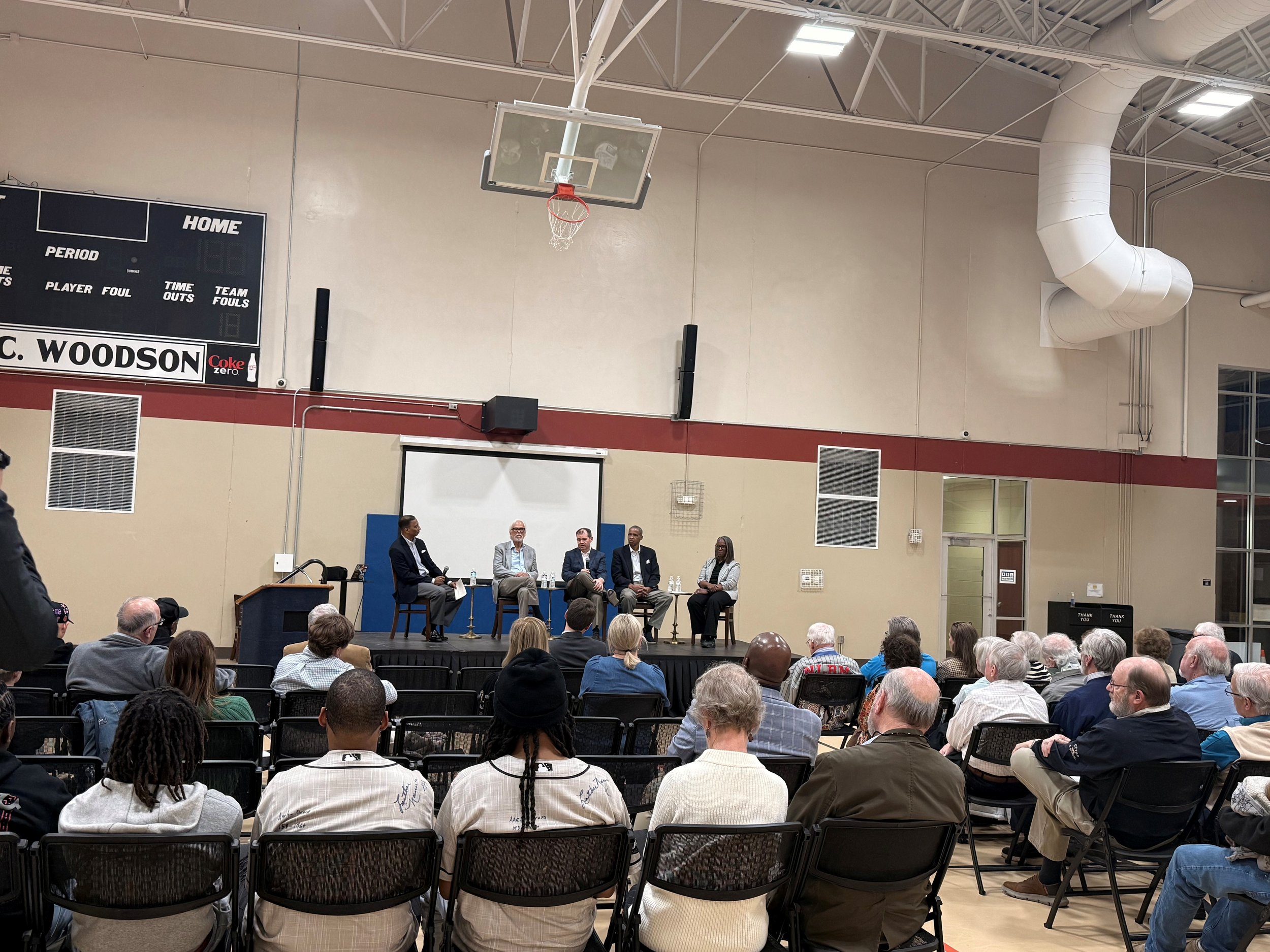
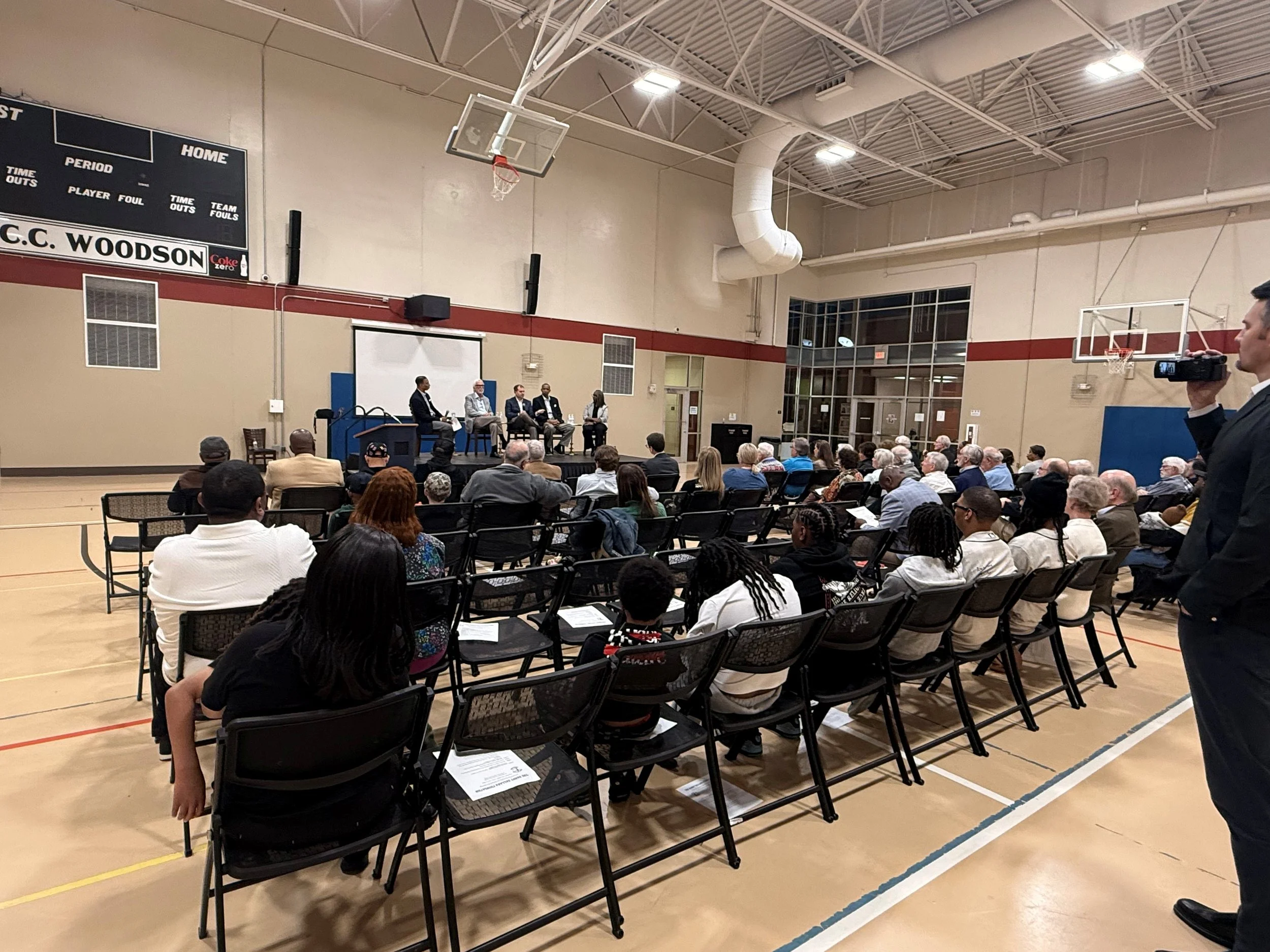
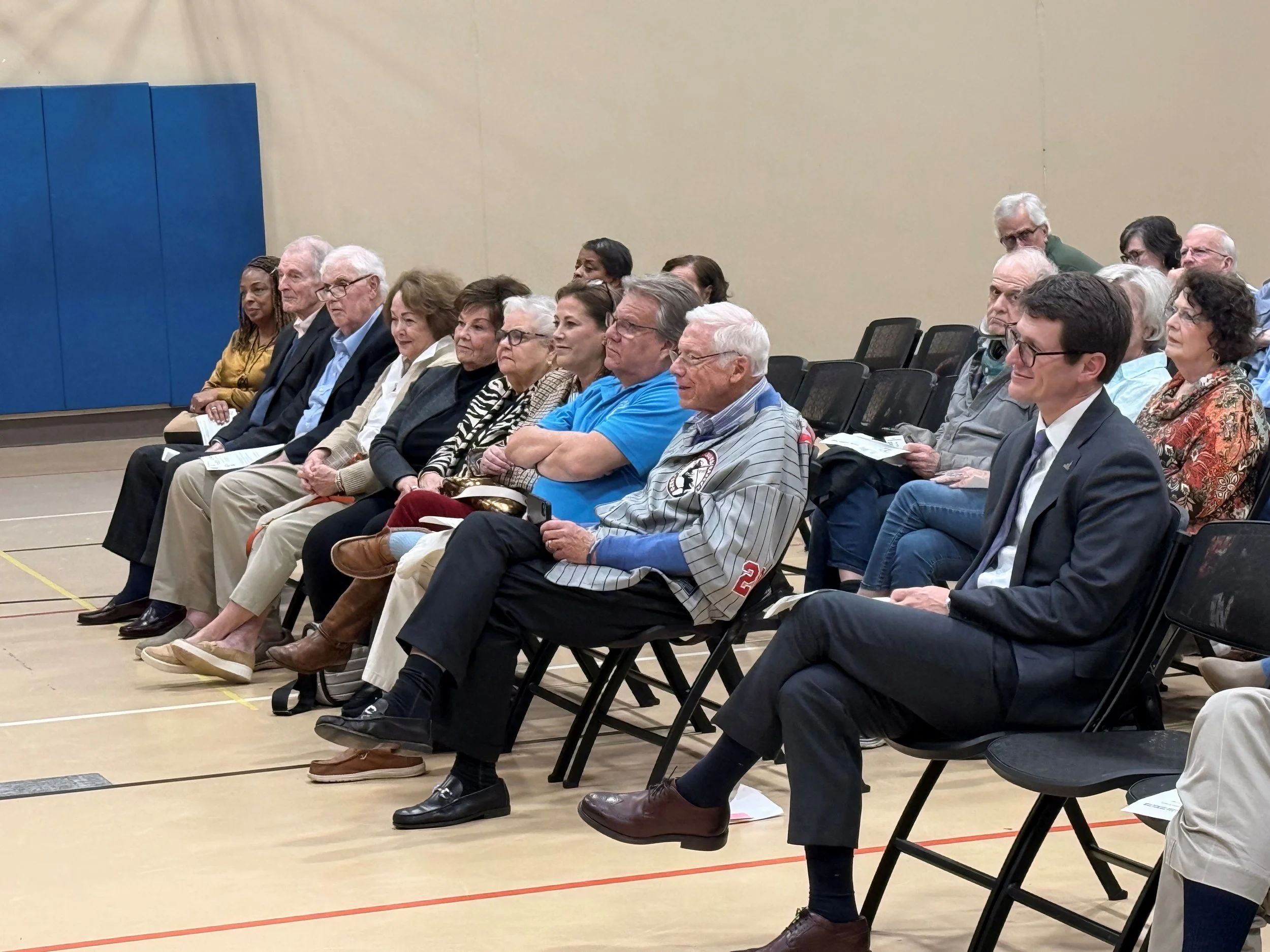
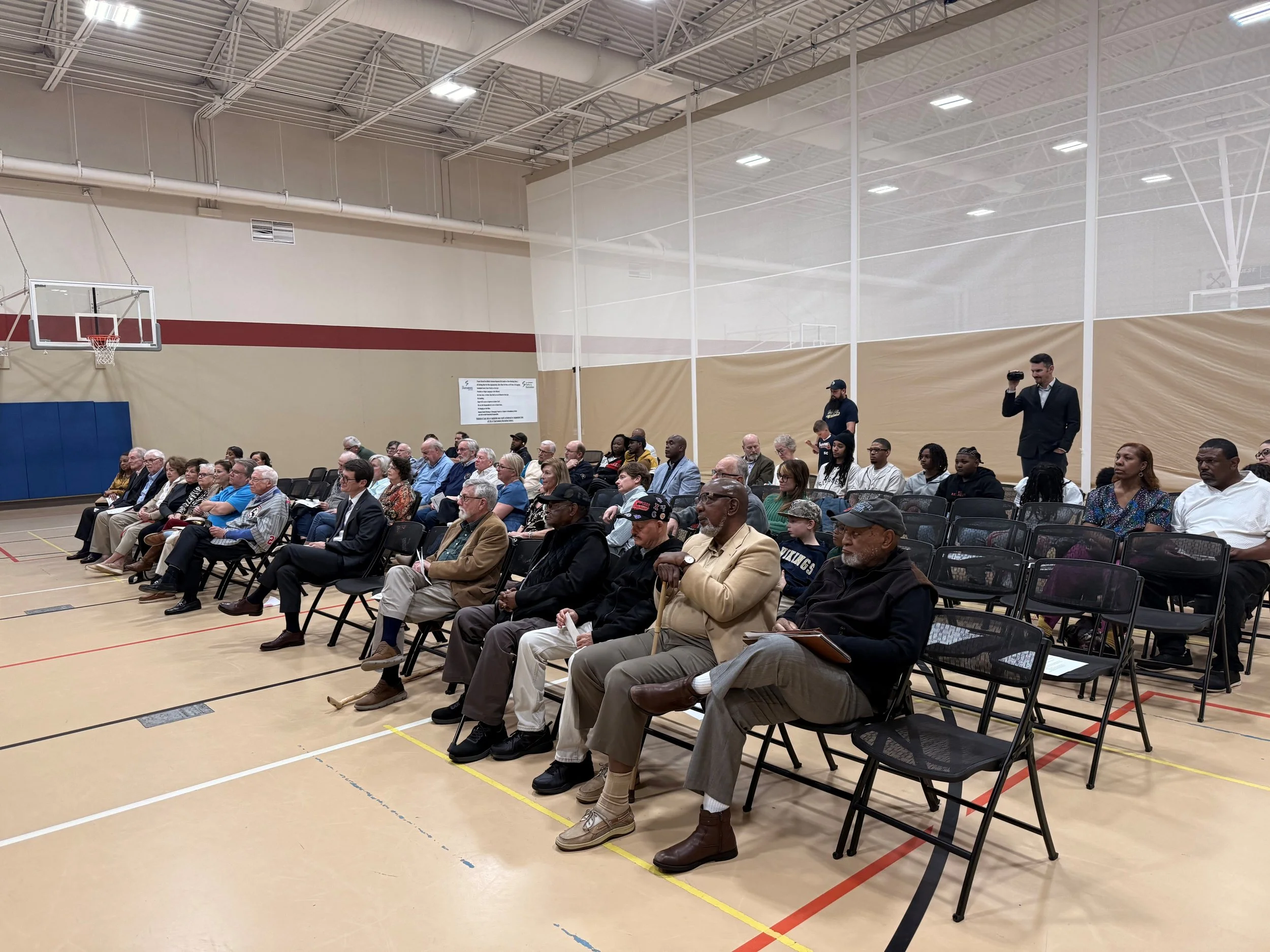
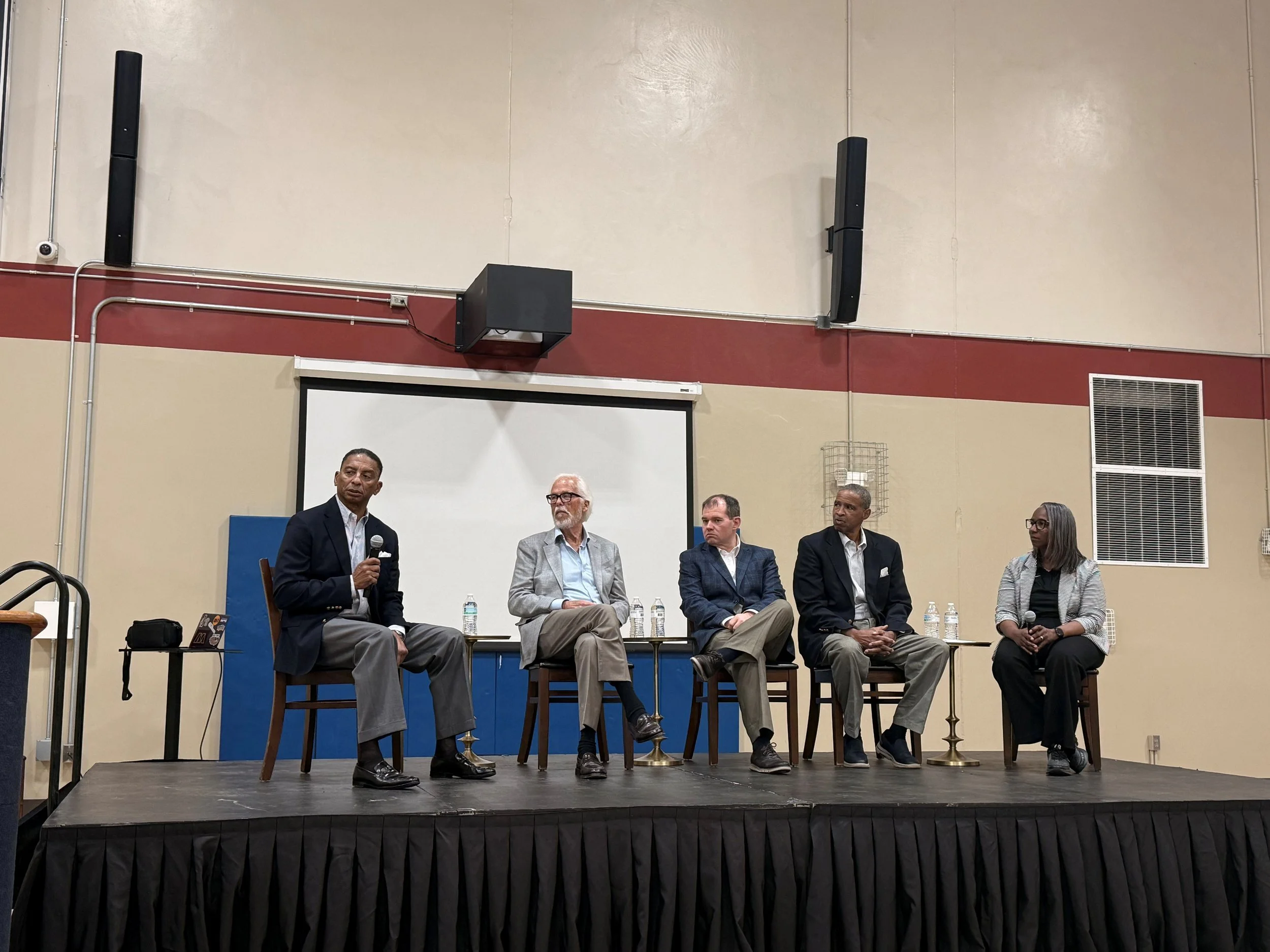
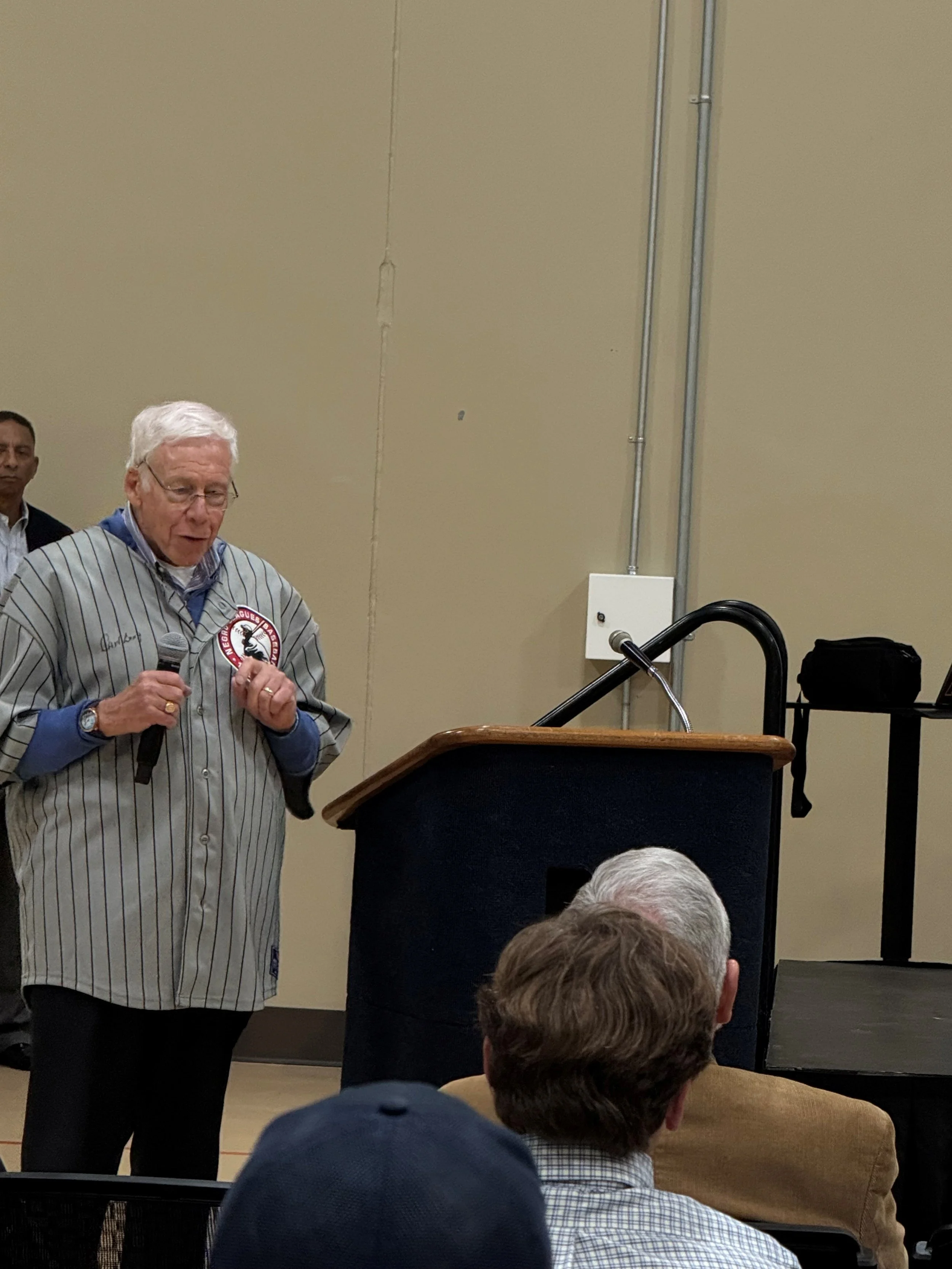
Community stakeholders, coaches, and baseball players of all ages, including Means and Blocker, joined Spartanburg Mayor Jerome Rice at the CC Woodson Community Center for a February 18th event, which featured a discussion panel and the Premiere screening of a Documentary outlining the Foundation's mission and work.
“Archie says he can remember watching games over the park, where he had to sit out in left field, but those days are long gone,” said Rice at the Feb. 18th discussion panel. “The field and the facility we have now for our young people is for all. It's to bring us together. Sports is the great unifier, where all of us can participate, some better than others, but we all might participate,” Rice continued.
The man behind the mission:
The nonprofit is still in its early stages and, like all new initiatives, couldn't take place without inspiration, said Charles Dallara, Chairman of the Board and Co-Founder of the Harry Dallara Foundation, to the crowd of nearly 80 gathered in the Community Center.
That inspiration for the nonprofit is Charles’s late father Harry Dallara, another baseball fanatic and avid community member in Spartanburg. Harry’s love for the game followed him
out of the Bronx neighborhood he immigrated to in the ‘20s, and into his homebase in Spartanburg.
Charles noted that his father faced many obstacles in life, from the death of his mother during childbirth to getting injured in a battle in Southern Italy during World War II, earning a Purple Heart award as result.
“But he never let that change his energy for enjoying life,” Charles said during his opening remarks at the event. “Part of that enjoyment was playing baseball with family and friends. He was a small man with a big heart, and someone who taught me the importance of sports, the importance of teamwork, the importance of reaching out, and building your own sense of community around you.”
After Harry died in 2012 at the age of 95-years old, Charles, his wife Peixin and other family decided to create the Foundation in his honor that year.
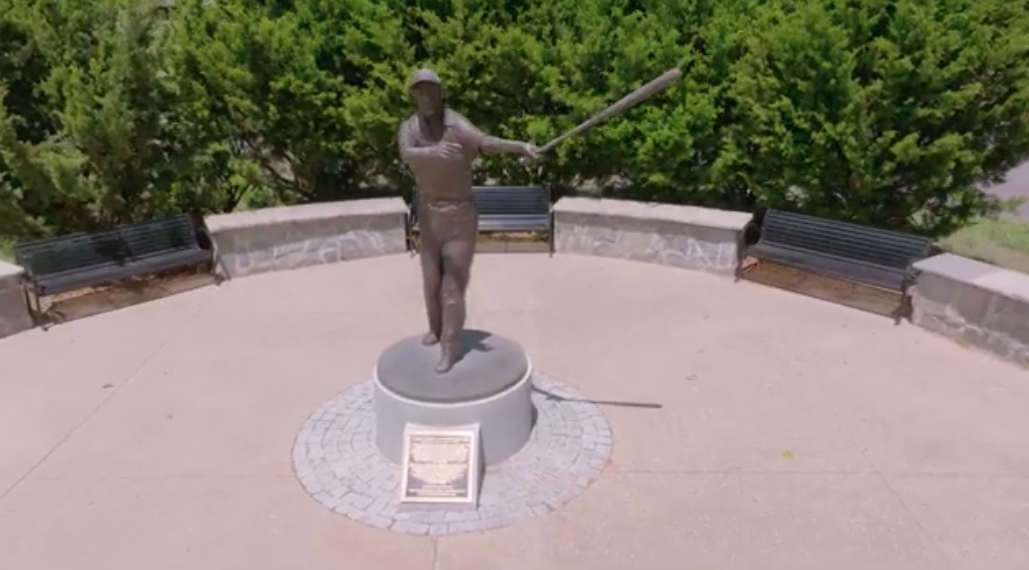
Since its inception, the nonprofit has accrued over $1 million dollars in donations and has renovated three ballfields: two at Duncan Park and one at Harmon Field in Tryon with a statue of Harry Dallara on prominent display.
The Documentary harkens to moments with Harry and his family at Harmon Field, where he passed down the love of the game to his grandchildren and great grandchildren. Several comments were made throughout the Documentary from the Foundation's Board Members, like Samual Foster II and community stakeholders like Luther Norman, Founder of the Youth Sports Bureau, which has worked with underprivileged youth in Spartanburg for several years.
Both Foster and Norman took part in the event’s panel, along with Philip Asherman, Former Chairman of CBI (formerly named Chicago Bridge and Iron) and a donor to the Foundation, Kim Brown, director of Parks, Recreation & Special Events for the City of Spartanburg and Josh Thompson, Chairman of Hillbrook Baseball.
“One thing that we all share, whether we can play baseball or not, is that we're passionate about kids, passionate about taking care of the kids, and passionate about teaching them number one; safety, number two; leadership development, and number three; how to have a winning attitude in life,” said Thompson during the panel. “That's not something that is bound by race, that’s not something bound by creed. It is something that should transcend all of those things.”
Thompson also announced at the panel that the number of minority children on his team has grown dramatically as a result of outreach and has been facilitated by the renovations to the Youth Ballfields at Duncan Park. He noted that from a total of three registrants three years ago they already have 46 for spring ball this year.
Other panelists gave thanks to the partners and donors who have made the Foundation possible.
“The main thing is trying to influence these children to come off the streets. There’s so much violence going on,” Means said after the events close. “If you get them to participate and let them realize they can do other things [and] participate in some kind of activity, it don't have to be sports, you can be a leader in different things.”